
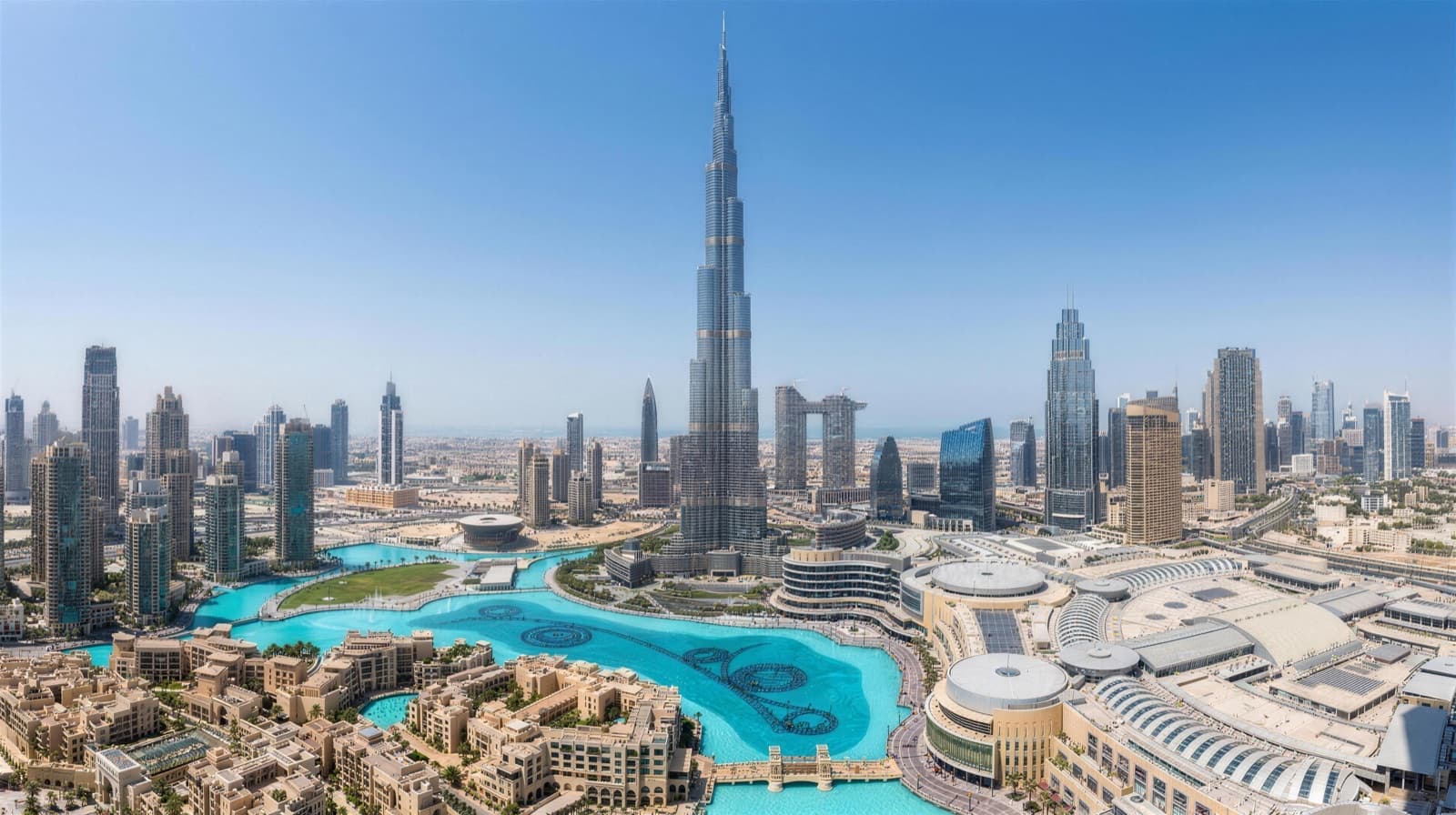
Ramadan 2027 is expected to start on Monday 8 February in the UAE, pending the official moon sighting. Dubai stays open to visitors: restaurants and attractions operate, with some adjusted hours, and visitors are asked to be considerate in public during the day. An apartment gives you a kitchen and your own space for the day.
This guide is for visitors planning a Dubai trip around Ramadan. We read the official UAE government page and the Visit Dubai pages on 7 October 2026. Dates are expected dates: the start of Ramadan is announced officially only after the crescent moon is sighted.
When is Ramadan 2027?
Press reports based on astronomical calculations give Monday 8 February 2027 as the expected first day of Ramadan in the UAE, with Eid Al Fitr expected around 10 March 2027. The official announcement comes from the moon-sighting committee under the UAE Council for Fatwa, as described on the UAE government portal. See also Gulf News on the expected date. Ramadan moves earlier each year because the Islamic calendar is lunar.
What changes for visitors
- Public behaviour: Visit Dubai says there are no restrictions on eating and drinking in public for people who are not fasting, but it is considerate to avoid it during fasting hours.
- Restaurants: they operate, and non-fasting guests can eat; malls have food areas set aside, and some smaller outlets open only at sunset.
- Working hours: the UAE government says daily working hours are reduced by two hours, so offices and some services may run shorter days.
- Dress: Visit Dubai asks visitors to dress respectfully in public; beachwear is fine at hotel beaches and pools.
Sources: Visit Dubai, Ramadan rules and etiquette, and the UAE government portal. We read them on 7 October 2026.
Iftar and the evenings
Iftar is the meal that breaks the fast at sunset. Many hotels and restaurants offer special iftar menus during the month. Menus, times and prices are set by each venue, so check them directly.
Where to stay
Choose the area by the trip you want: Downtown Dubai for the city, Marina and JBR for the beach, Palm Jumeirah for a resort setting. See the best areas for a short-term rental and Palm Jumeirah vs Downtown Dubai. An apartment gives you a kitchen and a quiet place to rest during the day. We do not publish a Ramadan price comparison: enter your dates on our Dubai apartments page to see the real price.
Before you travel
For arrival practicalities, see the arrival checklist for Dubai.
Sources read on 7 October 2026: u.ae (UAE government portal), visitdubai.com, and Gulf News for the expected date. The start date is not official until announced after the moon sighting.
Frequently asked questions
When is Ramadan 2027 in Dubai?
Ramadan 2027 is expected to start on Monday 8 February 2027 in the UAE, based on astronomical calculations reported in the press. The official start is announced by the UAE moon-sighting committee after the crescent is sighted, so the date is not final until then. Eid Al Fitr is expected around 10 March.
Can tourists eat and drink in public during Ramadan in Dubai?
Visit Dubai says there are no restrictions on eating and drinking in public for people who are not fasting, but it is considerate to avoid doing so in public during fasting hours. Restaurants operate, and malls have areas set aside for non-fasting visitors.
Are Dubai attractions and restaurants open during Ramadan?
Visit Dubai says attractions and restaurants remain open during the day, with some hours adjusted. Some smaller outlets may open only at sunset. Check opening hours for the places you plan to visit.
Are apartments cheaper during Ramadan?
We do not publish a Ramadan price comparison. Rates depend on the dates and the apartment, so enter your dates on our Dubai apartments page and compare the real price.